
Key Takeaways
- Blood pressure measures the force of blood against your artery walls.
- Resting heart rate records how often your heart beats while you rest.
- A cholesterol blood test measures cholesterol and other blood fats, including triglycerides.
- Waist circumference helps estimate how much fat you carry around your abdomen.
- Blood pressure, resting heart rate, cholesterol, and waist circumference can reveal changes that may not cause noticeable symptoms. The WHO estimates that 600 million adults have hypertension without knowing it.
About 600 Million Adults Have Undiagnosed Hypertension
Around 600 million adults worldwide have high blood pressure without knowing it, according to the World Health Organization. In 2024, 1.4 billion adults aged 30 to 79 had hypertension, yet 44% remained unaware of their condition. High blood pressure often develops without symptoms and can damage arteries and organs over time.
England shows the same pattern on a smaller scale. The Office for National Statistics estimated that 32% of adults had hypertension, and roughly three in ten of them were undiagnosed. People who described their general health as good or very good were more likely to have undiagnosed hypertension than those who felt unwell. Feeling healthy can therefore offer false reassurance.
Other measures of cardiovascular health can stay hidden in similar ways. Your resting heart rate can change gradually, while cholesterol can build up without obvious symptoms. Waist circumference can also reveal risk that body weight alone may miss. Employees at every level may therefore have cardiovascular risk factors without noticing symptoms.
Blood Pressure Can Rise Without Symptoms
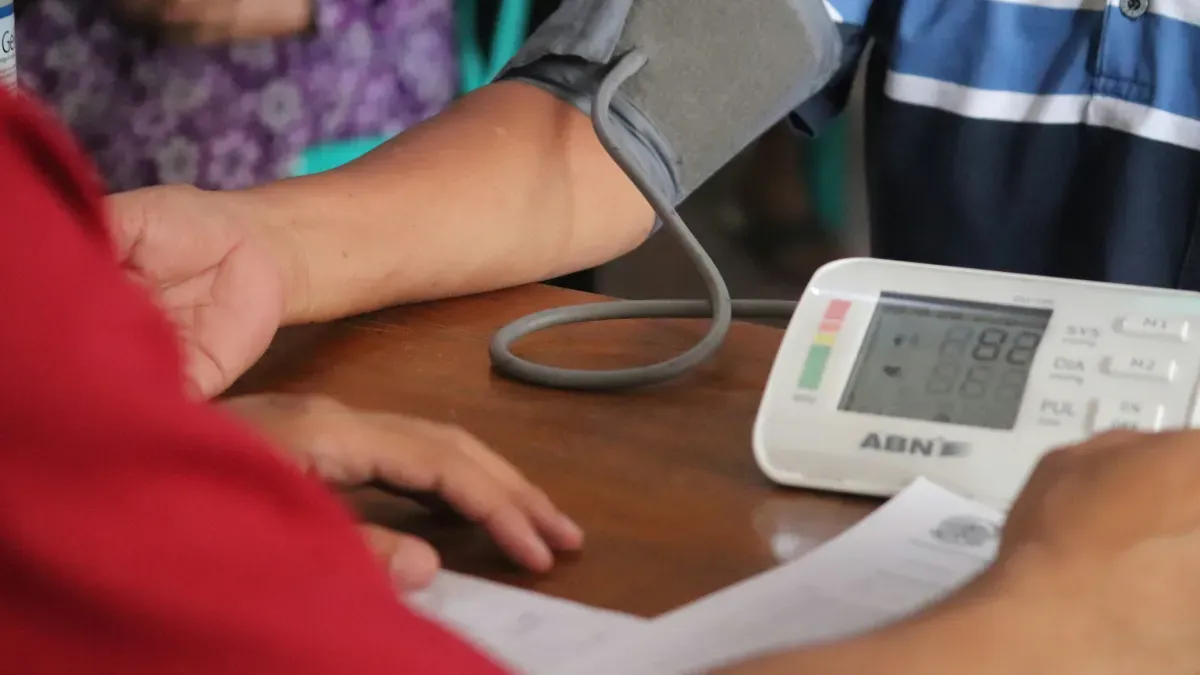
Blood pressure measures the force of blood pushing against your artery walls. A reading contains two numbers. The first records pressure when the heart contracts, while the second records pressure when the heart relaxes between beats.
High blood pressure often produces no noticeable symptoms, which makes feeling well an unreliable guide. Very high readings can cause severe headaches, chest pain, dizziness, breathlessness, blurred vision, or confusion. Anyone with a very high reading and symptoms such as chest pain, breathlessness, confusion, or blurred vision should seek urgent medical advice. Before then, raised pressure can place strain on the arteries, heart, brain, and kidneys without creating a clear warning sign.
A single measurement cannot usually confirm hypertension because blood pressure changes during the day and responds to temporary factors. WHO diagnostic criteria require raised measurements on two separate days. The pattern across those readings matters more than one isolated result.
The absence of symptoms also matters in the workplace. Someone can feel healthy, work normally, and remain unaware that their blood pressure is persistently raised. Only measurement can reveal what the body may not signal.
Resting Heart Rate Varies With Daily Conditions
Resting heart rate counts how many times your heart beats each minute while you are awake, calm, and still. A healthy resting heart rate cannot be defined by one target for everyone. Harvard Health explains that resting heart rate varies among individuals as the heart responds to the body’s changing need for oxygen.
Everyday conditions can move the number without any obvious sign. Sleep, stress, caffeine, strong emotions, fitness, medication, and hormones can all affect how quickly your heart beats. A reading taken after a poor night’s sleep may therefore differ from one taken on a relaxed morning.
Wearable devices make resting heart rate easy to follow, but convenience can create false confidence. Mayo Clinic notes that wearable heart-rate readings are not always accurate. Individual readings can reflect temporary conditions or measurement errors, while a pattern over time may provide more useful context. Understanding your own number therefore requires more than comparing one reading with somebody else’s.
High Cholesterol Can Contribute to Plaque
Cholesterol supports healthy cells, but excess cholesterol in the bloodstream can contribute to fatty plaque inside artery walls. As plaque accumulates, arteries can narrow and harden. A rupture can also trigger a blood clot that blocks blood flow to the heart or brain.
LDL carries cholesterol through the bloodstream and can deposit it in artery walls when levels become too high, while HDL carries cholesterol back to the liver, where the body can remove it. That distinction is often shorthanded as “bad” and “good” cholesterol, but the reality is more nuanced than either label suggests, and researchers are still refining how particle type, size, and other blood fats interact to shape risk. Triglycerides are another type of blood fat that the body uses for energy, and elevated levels can add to cardiovascular risk, particularly alongside high LDL or low HDL.
High cholesterol usually produces no symptoms of its own. Chest pain or shortness of breath may appear only after plaque has contributed to advanced artery disease. Visible signs such as fatty skin deposits called xanthomas or pale rings around the iris occur mainly in rare inherited conditions.
A blood test is the standard way to measure cholesterol levels. You can feel healthy while plaque develops over years, so physical wellbeing alone cannot reveal what cholesterol is doing inside your arteries.
The Overlooked Number: Waist Circumference
Waist circumference can reveal cardiovascular risk that body weight and BMI may miss. People often watch the scale, but weight does not show where the body stores fat. Fat held deep around the abdomen, known as visceral fat, behaves differently from fat stored elsewhere.
Visceral fat releases substances that promote inflammation and disrupt insulin signalling. Over time, these effects can contribute to high blood pressure, abnormal cholesterol, and problems controlling blood sugar. Two people with similar weights or BMI figures may therefore carry different levels of cardiovascular risk.
Of the four numbers covered here, waist circumference is the simplest to check at home because it requires only a tape measure. Tracking waist circumference alongside weight can provide additional information about changes in fat distribution. The measurement offers useful information about fat distribution, even when the number on the scale stays unchanged.
What These Measurements Can Reveal
Together, these measurements offer different views of cardiovascular health. Blood pressure shows the force placed on artery walls, while cholesterol and waist circumference help identify factors associated with artery disease and metabolic health. Resting heart rate can add context about how your heart responds to sleep, stress, fitness, medication, and other daily influences.
Your results need to be interpreted using accurate measurements, relevant clinical guidance, and changes over time. Workplace health education can help employees understand when to monitor a number, repeat a test, or discuss a result with a healthcare professional.
Find Out What Your Numbers Actually Mean
A result becomes useful when you understand how it was measured, what can affect it, and when to seek clinical advice. Understanding them requires context, accurate checks, and guidance suited to you.
The upcoming Champion Health live webinar goes into more detail on this topic. It explains the key cardiovascular measurements and how to interpret them, and covers how to get checked wherever you are and which practical changes may affect your results.
Join one of two live sessions on Wednesday 23rd September 2026:
- 11am BST: Register here
- 4pm BST: Register here