Insights

The £97bn Wellness Boom Is Reaching Your Workforce — What Employers Should Actually Invest In
The UK wellness industry is booming — worth £97bn in 2025 and forecast to hit £140bn by 2033 — and your employees are already spending on supplements, wearables and biohacking. But most of that spend is unregulated, consumer-led and unmeasured. This article shows HR and People leaders how to channel that demand into something clinical, evidence-based and measurable: preventative workplace health that actually reduces risk and absence.


Why Your Wellbeing Data Isn't Telling You Where Workforce Health Risk Is Building
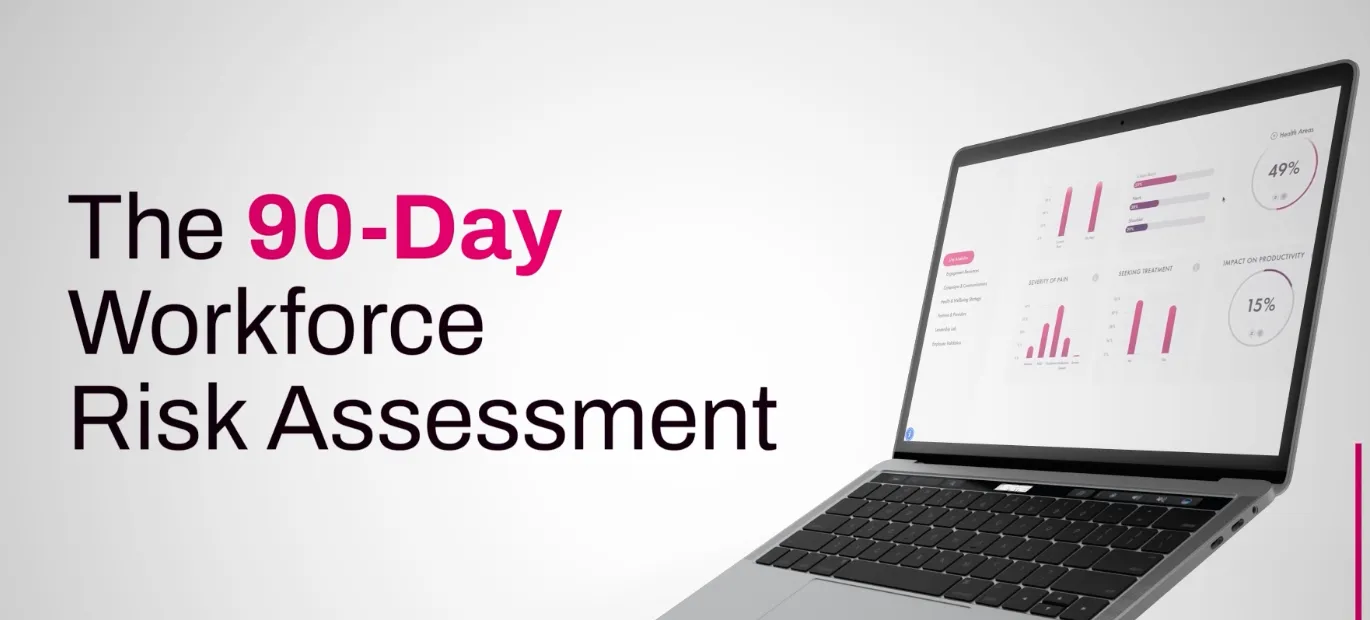
Most organisations have more workforce health data than ever before, yet still struggle to identify where health risk is actually building. This article explores why absence reports, engagement surveys, EAP utilisation and occupational health referrals are all lagging indicators, and explains the difference between workforce health data and workforce health intelligence. It demonstrates how cohort-level risk visibility enables organisations to identify emerging mental health and musculoskeletal risk before it becomes absence, helping leaders target prevention investment where it will have the greatest impact.


How To Identify Workforce Health Risk Before It Becomes Absence
This article explores why absence data alone cannot prevent workforce health issues and highlights the leading indicators that reveal risk before employees go off sick. Learn how organisations can identify emerging mental health and musculoskeletal risk earlier, target interventions more effectively, and build a prevention-first approach to workforce health.

Why Prevention Is Missing From Most Workforce Health Strategies
Why do so many workforce health strategies remain reactive despite growing wellbeing investment? This article examines the hidden gap between emerging risk and clinical intervention, and explains why organisations need workforce risk intelligence to identify risk early, prevent at scale, and reduce costly absence before it occurs.

148 Million Working Days Lost: Why the UK's Absence Crisis Is Getting Worse — And What HR Directors Can Do About It
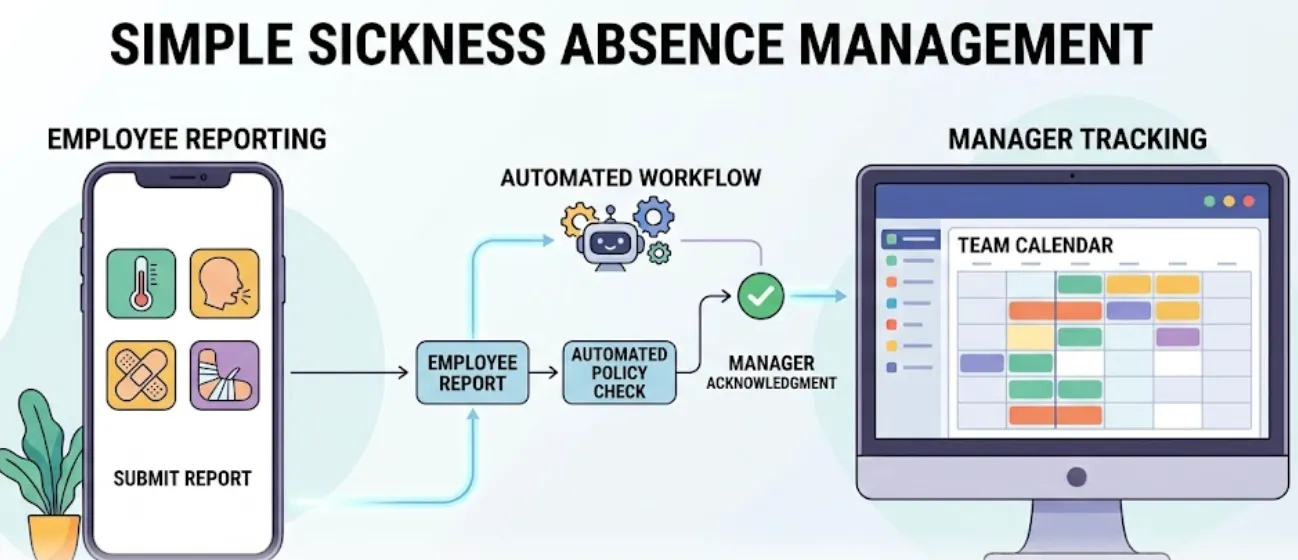
UK organisations lost 148.8 million working days to sickness and injury in 2025, with mental health and musculoskeletal conditions responsible for the majority of long-term absence. This article explores why traditional absence management is no longer enough and how organisations can use workforce risk intelligence to identify emerging health risks, target prevention efforts and reduce future absence before it occurs.


%20(1).jpg)


Who is Responsible for Psychological Safety (and Why is it Everyone?)
Psychological safety in the workplace isn't just a must-have for the health and wellbeing of employees, it's crucial for business health and success. In this article, we dive into the fundamentals of psychological safety and how to cultivate it at work.

Who is Responsible for Psychological Safety (and Why is it Everyone?)
Psychological safety in the workplace isn't just a must-have for the health and wellbeing of employees, it's crucial for business health and success. In this article, we dive into the fundamentals of psychological safety and how to cultivate it at work.