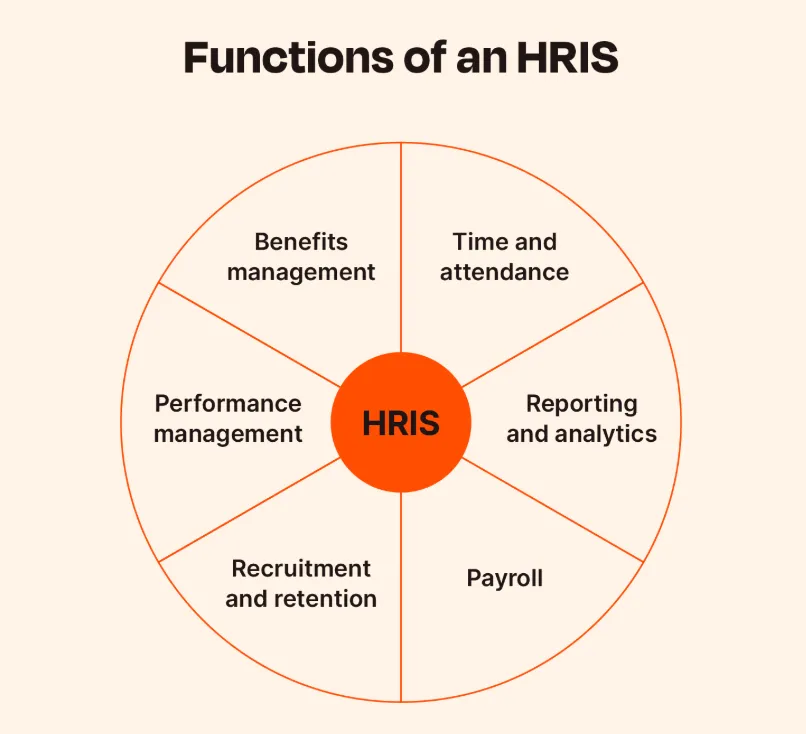

Key Takeaways
Champion Health integrates with your HRIS, but not through a fixed catalogue of pre-built connectors. Each integration is scoped per customer, built against your specific stack and the data you actually want to move.
- Champion Health offers no off-the-shelf connector list. Integrations are designed around each employer’s systems and demand, so you get what your setup needs rather than a generic connector that half-fits.
- HRIS data such as headcount, demographics, and org structure feeds the 90-Day Workforce Risk Assessment, sharpening cohort-level risk analysis beyond what survey data alone can show.
- Champion Health sits alongside your existing HR infrastructure. It adds prevention and risk intelligence upstream of your systems of record, and it does not replace your HRIS, payroll, or benefits platforms.
What “Integration” Means for a Wellbeing Platform
When a wellbeing vendor says it “integrates” with your HRIS, it usually means one of two very different things. A native or pre-built integration is a fixed connector the vendor has already built for a specific platform, so it works out of the box with limited configuration. A custom or API-based integration is built for your stack, using the HRIS provider’s API to move the specific data fields you need.
Most wellbeing vendors sit at one of two unhelpful extremes. Some publish a long connector list that implies effortless plug-and-play, when in practice several of those connectors are thin, out of date, or barely used. Others do not integrate at all and rely on manual spreadsheet uploads, without saying so plainly during procurement.
Champion Health takes the honest middle position. There is no catalogue of shelf-ware connectors promising more than they deliver. Instead, integrations are scoped and built per customer, matched to the system you run and the data you actually need to move.
How Champion Health’s Integration Model Works
Champion Health builds each HRIS integration to order, so the process starts with scoping rather than picking from a menu. Your team and the Champion Health implementation team agree on three things before any build begins: which system holds the data you want to connect, which data fields need to move, and how often they should sync.
Scoping the system means naming the platform of record. Champion Health has built integrations on request against Workday, BambooHR, HiBob, ADP, and SAP SuccessFactors, among others. None of these ships as a fixed connector waiting in a catalogue. Each one is scoped and built when a customer needs it, using the platform’s API or a secure file exchange, depending on what your system supports.
Scoping the fields means deciding exactly what moves. You choose the fields, and nothing transfers that you have not agreed. Most employers connect headcount, demographic data, and org structure, because those feed cohort-level analysis inside the platform.
Scoping the sync means setting direction and frequency. Most integrations run one way, pulling data from your HRIS into Champion Health rather than writing back to it. Frequency depends on how current the cohort data needs to be. A quarterly refresh suits stable headcount, while a monthly or weekly sync suits companies whose headcount changes fast.
Two roles do the work. Your IT or HRIS administrator manages access, authentication, and any internal data-governance sign-off on your side. The Champion Health implementation team handles the build, testing, and ongoing sync monitoring. Once the connection is live, data flows on the agreed schedule without manual export, so your team stops re-uploading spreadsheets every quarter.
Because the build follows demand, you only pay for and maintain the connection you actually use.
HRIS Data and the 90-Day Workforce Risk Assessment
Connecting your HRIS to Champion Health makes the risk analysis more precise. The 90-Day Workforce Risk Assessment scores health and wellbeing risk across your workforce, and HRIS data lets it read that risk by cohort rather than as a single company-wide number.
Three HRIS fields do the real work. Headcount confirms how much of your workforce the assessment actually represents, so a 40% response rate is understood in context rather than mistaken for the whole picture. Demographic fields such as age band, gender, and tenure let the benchmark break risk down by group. Org structure, meaning department, team, and reporting lines, lets the assessment locate risk in specific parts of the business.
Cohort-level data reveals patterns that company-wide survey averages hide. A company average might show moderate stress risk and prompt no action. The same data split by department can reveal that one function carries most of that risk while the rest of the business sits well below the benchmark. You then direct budget and manager attention at the group that needs it, instead of spreading a general programme thinly across everyone.
The assessment works whether or not you integrate. Without an integration, an HR administrator uploads the relevant fields manually, and the cohort analysis runs on that snapshot. An integration removes that manual step and keeps the demographic and org data current as people join, move teams, or leave. Integration raises the accuracy of the segmentation and removes the admin of maintaining it by hand.
The Integration Checklist HR Leaders Should Take to Any Wellbeing Vendor
Before you sign with any wellbeing vendor, put these five questions to them in writing. The answers separate vendors who have thought about technical fit from those who will improvise once the contract is signed. Each question below includes the honest answer for Champion Health’s demand-led model.
Do you offer native, pre-built connectors, or custom API-based integration? Champion Health does not ship a fixed catalogue of native connectors. Integrations are built per customer against your specific stack, using API-based connections scoped to what you actually need. For example, a vendor claiming dozens of native connectors may be counting integrations that were built once for a single client and have not been maintained since.
How often does data sync? Sync frequency is set during scoping, not fixed by a product default. You choose whether HRIS fields refresh on a schedule that matches your reporting cadence, whether daily, weekly, or matched to a benchmark cycle. Ask any vendor to state frequency as a number, not a promise of “real time.”
How is data secured, and does it meet UK compliance requirements? Champion Health handles employee data under GDPR and applies encryption in transit and at rest. Any custom integration is scoped with your IT and data protection leads involved from the start, so the data-sharing agreement reflects exactly which fields move and why. A vendor who cannot name the specific fields they ingest has not designed the integration properly.
Do you support single sign-on (SSO)? Yes, SSO is supported so employees access the platform through your existing identity provider rather than managing separate credentials. Confirm which SSO standards a vendor supports, and check that provisioning covers your whole workforce, not just office-based staff.
Can you sync eligibility automatically? Eligibility sync is one of the fields scoped during a custom build, so joiners, leavers, and role changes update without manual list uploads. Without it, someone on your team maintains a spreadsheet, and access lags behind reality. Ask every vendor whether eligibility updates automatically or depends on manual admin.
A demand-led model answers each question with a specific scope rather than a marketing claim. A vendor who says “yes to everything” before understanding your stack is describing a sales position, not a technical one. Take this list into every demo, and treat vague answers as the signal they are.
Where Champion Health Sits in Your HR Tech Stack
Champion Health sits upstream of your systems of record, not on top of them. Your HRIS holds the authoritative data on who works for you, what they earn, and where they sit in the org. Champion Health does not try to hold that data too. It reads the parts it needs and adds early insight into where health and mental health risk is concentrated across your workforce, something those systems were never built to produce.
That split keeps each system in its lane. Payroll stays in payroll, and benefits administration stays in your benefits platform. The employee record stays in Workday, BambooHR, HiBob, ADP, or SAP SuccessFactors, wherever you keep it. Champion Health draws a cohort view from that record and turns it into prevention, flagging risk before it becomes absence, turnover, or a claim on your health cover.
Nothing here requires you to rip out or replace a working system. Champion Health earns its place by filling a gap the systems of record leave open, and by fitting the stack you have already paid for and trained your people on.
If you want to understand how this would work against your specific setup, the next step is a scoping conversation. Bring your stack, your data fields, and your priorities, and we can map what an integration would actually involve.
FAQs
Is there an extra cost for a custom integration?
A custom integration is priced according to the system, the data fields, and the sync frequency involved, so there is no fixed fee. Champion Health quotes each build against the actual work required rather than a standard rate, so you pay only for the connection your setup needs, not for capacity you will never use.
How long does an integration take to scope and build?
Integration timelines vary with the complexity of your HRIS and the number of fields in scope. Champion Health scopes each build with your IT or HRIS admin, who shapes the timeline as much as the vendor does. A straightforward one-way eligibility sync can go live quickly, while a two-way build across multiple data types takes longer.
Can Champion Health work with no integration at all?
Yes. The platform runs without any HRIS connection, and the 90-Day Workforce Risk Assessment still produces cohort-level analysis from survey data. Integration sharpens that analysis and cuts manual admin, but it is not a prerequisite.
What happens to data if the contract ends?
Data handling at exit is governed by your contract and data processing agreement, which set out retention, deletion, and export terms. With Champion Health, these terms are agreed before you sign rather than left to be sorted out later, so you know exactly how employee data is returned or destroyed when the relationship ends.
Citations
Information Commissioner’s Office, “Employment information” (UK GDPR guidance for employers), https://ico.org.uk/for-organisations/uk-gdpr-guidance-and-resources/employment/